
NinjaZ
- 24 Posts
- 3 Comments
Joined 2Y ago
Cake day: Jul 21, 2023
You are not logged in. If you use a Fediverse account that is able to follow users, you can follow this user.


 English
- •
- github.com
- •
- 8M
- •
This folder contains the programs found in the March 1975 3rd printing of David Ahl's [101 BASIC Computer Games](https://archive.org/details/101basiccomputer0000davi), published by Digital Equipment Corp. You can download all of the programs in a single archive using the [Releases](https://github.com/maurymarkowitz/101-BASIC-Computer-Games/releases) link to the right.


 English
- •
- github.com
- •
- 9M
- •

Retro Boy is a cycle-accurate Game Boy emulator written in Rust. It uses wasm-pack to translate the Rust code into WebAssembly so it can be played on the web. The web frontend then uses Web Audio API and HTML Canvas for audio and graphics. It also leverages the browser's local storage to persist cartridge RAM data for battery-backed MBC cartridges. [Try it here](https://smparsons.github.io/retroboy)
Scientists have created a blazing-fast scientific camera that shoots images at an encoding rate of 156.3 terahertz (THz) to individual pixels — equivalent to 156.3 trillion frames per second. Dubbed SCARF (swept-coded aperture real-time femtophotography), the research-grade camera could lead to breakthroughs in fields studying micro-events that come and go too quickly for today’s most expensive scientific sensors.
SCARF has successfully captured ultrafast events like absorption in a semiconductor and the demagnetization of a metal alloy. The research could open new frontiers in areas as diverse as shock wave mechanics or developing more effective medicine.
- •
- www.theverge.com
- •
- 2Y
- •

There hasn’t been a lot of good news out of EA lately, but here’s some: the company just launched a bunch of classic games on Steam. The new (old) releases include nine games in total, spanning franchises like Dungeon Keeper, Populous, and SimCity.
Here’s the full list:
Command & Conquer The Ultimate Collection
SimCity 3000 Unlimited
Populous
Populous II: Trials of the Olympian Gods
Populous: The Beginning
Dungeon Keeper Gold
Dungeon Keeper 2
Sid Meier’s Alpha Centauri Planetary Pack
The Saboteur

- •
- every.to
- •
- 2Y
- •

On June 5, 1981, journalists from around the world gathered at NASA’s headquarters in Washington, D.C. to watch as the Voyager 2 spacecraft became the first man-made object to reach Saturn. In the aftermath of this historic event, the main attraction wasn’t NASA’s staff. It was fellow journalist Jerry Pournelle. Pournelle had something none of them had ever seen before: a portable computer, the first mass-market one in history.
“There were over 100 members of the science press corps packed into the Von Karman Center (the press facility),” Pournelle wrote in his regular column for Byte magazine a few months later. “Most had typewriters. One or two had big, cumbersome word processors…nobody had anything near as convenient as the Osborne 1.”
Just six years earlier, the Altair 8800 had been unveiled at the first meeting of the Homebrew Computer Club. There, Steve Jobs recognized that the future of computing lay in the consumer market, not the hobbyist. But Jobs was not alone. He stood alongside someone who would go on to become a “frenemy” of sorts. Like Jobs, he was intensely charismatic. Like Jobs, he had a near-supernatural ability to sense what consumers wanted before they knew it themselves. And, like Jobs, he knew how to sell his ideas to the world.
- •
- ig.ft.com
- •
- 2Y
- •
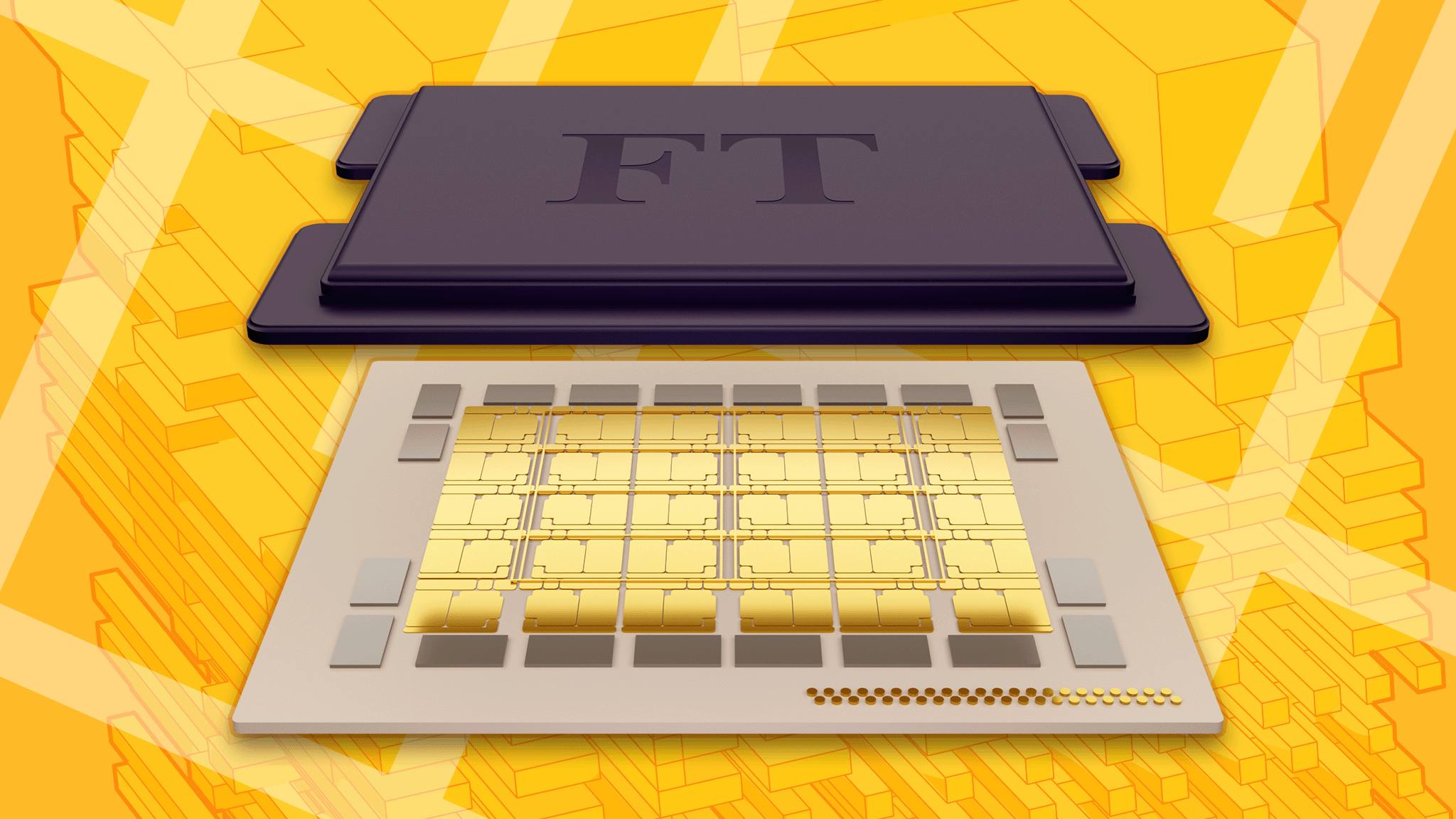
Shrinking the computer chip is one of humanity’s greatest scientific feats. It has enabled the processing power that has digitalised almost every aspect of our lives.
To understand how the latest chips work and where technological breakthroughs are being made, we need to travel beyond objects measured on familiar scales.

A judge has dismissed a complaint from a parent and guardian of a girl, now 15, who was sexually assaulted when she was 12 years old after Snapchat recommended that she connect with convicted sex offenders.
According to the court filing, the abuse that the girl, C.O., experienced on Snapchat happened soon after she signed up for the app in 2019. Through its "Quick Add" feature, Snapchat "directed her" to connect with "a registered sex offender using the profile name JASONMORGAN5660." After a little more than a week on the app, C.O. was bombarded with inappropriate images and subjected to sextortion and threats before the adult user pressured her to meet up, then raped her. Cops arrested the adult user the next day, resulting in his incarceration, but his Snapchat account remained active for three years despite reports of harassment, the complaint alleged.
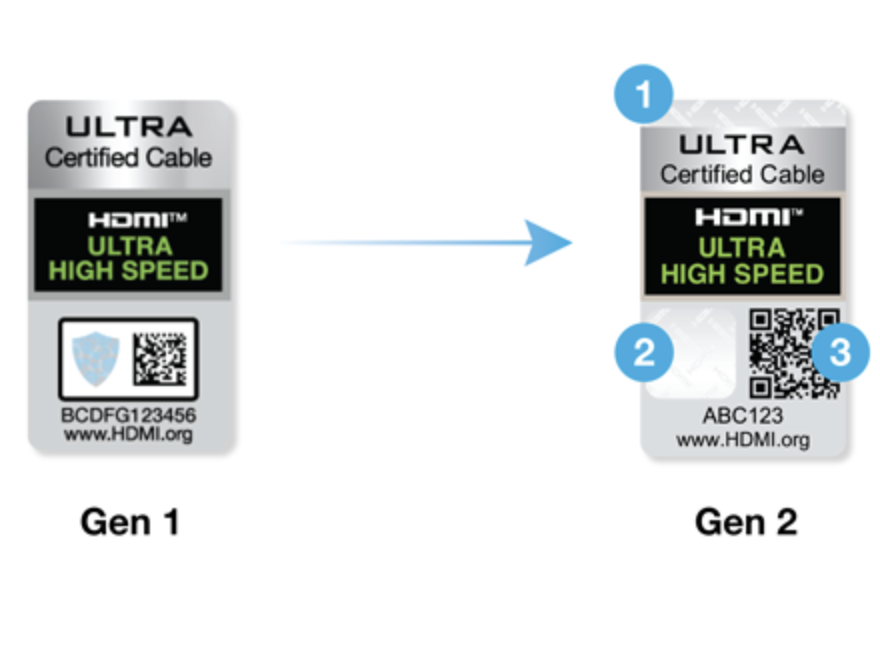
The new certifications for HDMI cables are now slowly coming onto the market. Known as Gen 2, these certifications will provide verification for the authenticity of a given cable and gradually replace the first generation certifications.
This formally began in May 2023, but the HDMI Licensing Administrator (HDMI LA) has allowed the old labels to continue to be used until stocks of the corresponding cables have all been sold. In its February newsletter, cable manufacturer Club3D drew attention to this change and stated that it is currently changing its label fulfillment provider, so packs with both the old and the new certifications will soon appear in stores.
The new certification has the advantage that it can be checked more easily. According to the HDMI LA, a simple scan of the QR code on the pack is enough to verify its authenticity. The old verification, on the other hand, required the proprietary HDMI app.

An abandoned mine in Finland is set to be transformed into a giant battery to store renewable energy during periods of excess production.
The Pyhäsalmi Mine, roughly 450 kilometres north of Helsinki, is Europe’s deepest zinc and copper mine and holds the potential to store up to 2 MW of energy within its 1,400-metre-deep shafts.
The disused mine will be fitted with a gravity battery, which uses excess energy from renewable sources like solar and wind in order to lift a heavy weight. During periods of low production, the weight is released and used to power a turbine as it drops.


Action-RPG colossus Elden Ring is reportedly getting a free-to-play mobile adaptation with in-app purchases, which takes inspiration from miHoYo's Genshin Impact. It's being published by Tencent, who apparently acquired the licensing rights to Elden Ring back in 2022 and put a few dozen people to work on a prototype, even as the company acquired a 16% stake in Elden Ring developer From Software.
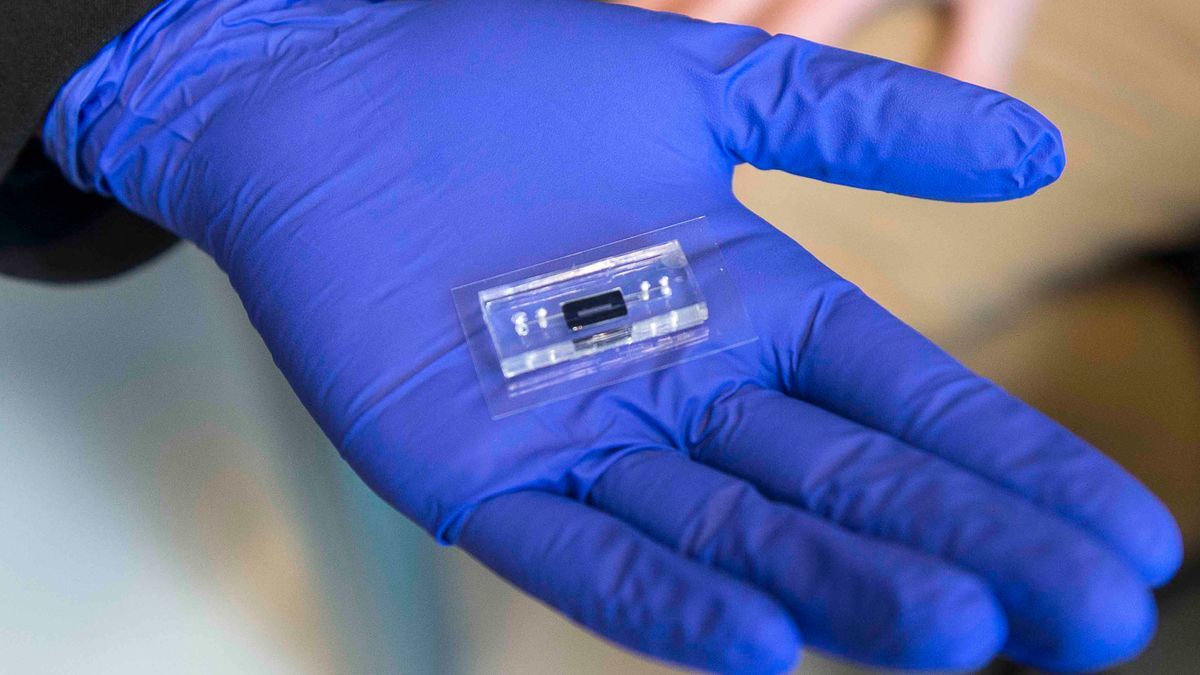
A microfluidic DNA processor dubbed a "lab-on-chip" has been developed by RIT researchers, capable of not only computation but also reading and writing data stored within DNA. The prototype device supports artificial neural network computations on data stored within DNA, specifically microfluidic solutions of manipulated DNA molecules. The capabilities of this DNA CPU also extend to the expected mathematical and non-linear calculations you want to see from a CPU, and it should be capable of networking functionality with other devices.

Of the major themes - the phishing emails with the highest volume - finance was the most popular, making up 54%. These emails related to topics such as invoices and payments. Notification phishing emails, which are those related to password expiration, reminders, appointments, required actions and the like, came second with 35%.
Shipping phishing emails were third at 7%. Response mode scams were fourth at 3%. These emails aim to elicit a response to queries; these queries could be fabricated by the threat actors, or sometimes they make use of legitimate emails as a result of hijacked email accounts.

Founded in 2008, Pinball Map is an open source, crowdsourced worldwide map of public pinball machines.
- •
- www.polygon.com
- •
- 2Y
- •

Baldur’s Gate 3 is an incredible role-playing game experience, a gift for RPG fans and a wonderful introduction to the genre for newcomers. It’s got everything a good RPG needs: memorable characters, exciting, strategic battles, and a textured world to get lost in as your party goes questing across the map. It’s a showcase for just how good RPGs are when they really connect, and fortunately for us, there’s plenty more where that came from.
So, in the event that Baldur’s Gate 3 has inspired you to explore the genre further, here’s a list of games that similarly nail the RPG experience in ways that will leave you itching to get back to the character you’ve created — provided, of course, you didn’t immediately roll a new one to take into Baldur’s Gate 3 all over again.
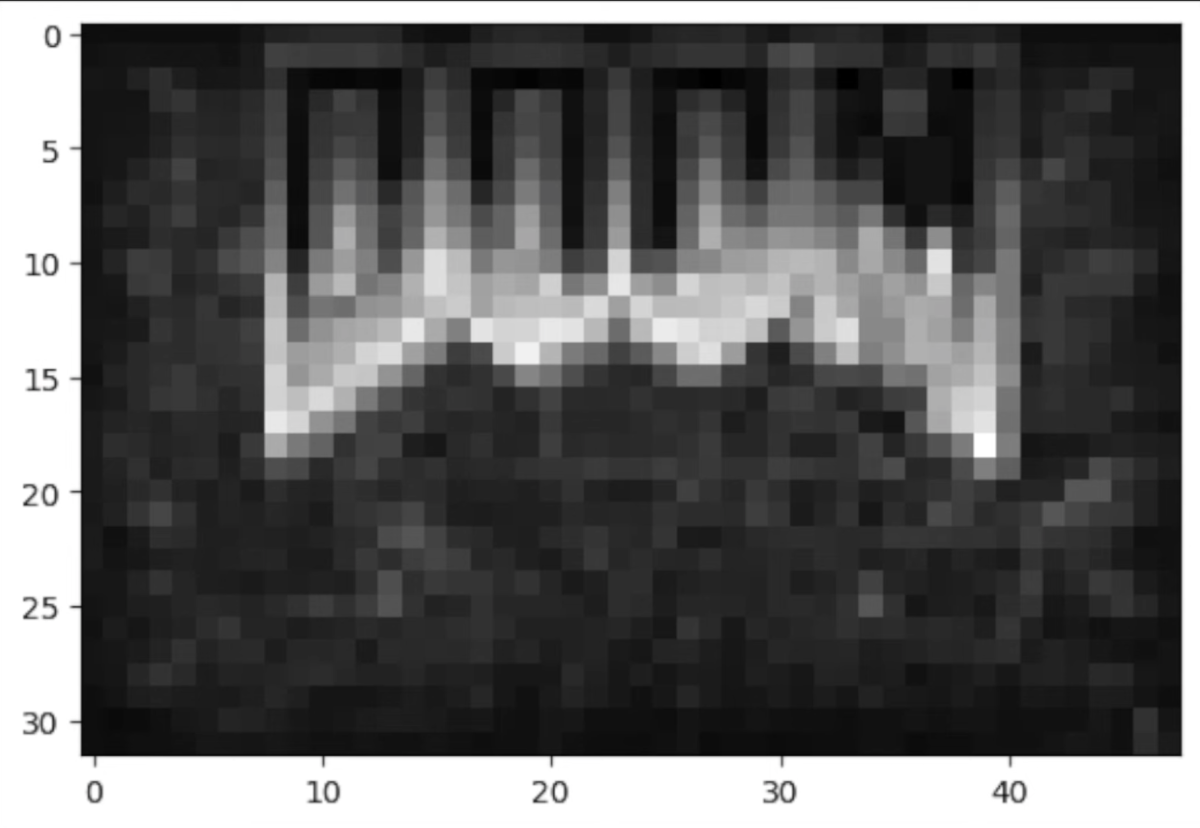
An MIT biotech researcher has been able to run the iconic computer game Doom using actual gut bacteria. Lauren Ramlan didn’t get the game going on a digital simulation of bacteria, but turned actual bacteria into pixels to display the 30-year-old FPS, as reported by Rock Paper Shotgun.
Specifically, Ramlan created a display inside of a cell wall made entirely of E. coli bacteria. The 32x48 1-bit display may not win any resolution awards, but who cares, right? It’s Doom running on bacteria. The researcher dosed the bacteria with fluorescent proteins to get them to light up just like digital pixels.
- •
- www.abortretry.fail
- •
- 2Y
- •
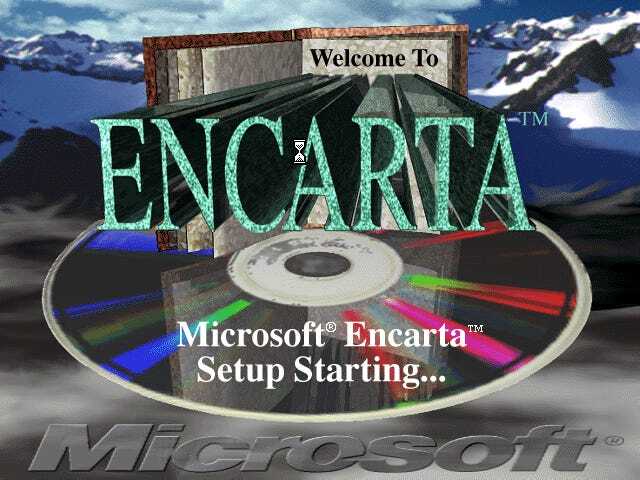
In 1985, shortly after the release of Windows 1.0, Bill Gates set Min Lee on a mission to find a partner for a digital encyclopedia product that would serve as a reference companion to Microsoft’s productivity applications. Lee then approached Britannica, the undisputed leader in the encyclopedia market, who’d recently released a new version of the fifteenth edition of their encyclopedia. Microsoft proposed a partnership to produce a multimedia CD-ROM version of the Encyclopædia Britannica. In exchange for non-exclusive rights to Britannica’s text, Microsoft would pay Britannica a royalty on each copy of the CD-ROM product sold. Britannica immediately declined Lee’s proposal.
https://archive.ph/v1NKU